
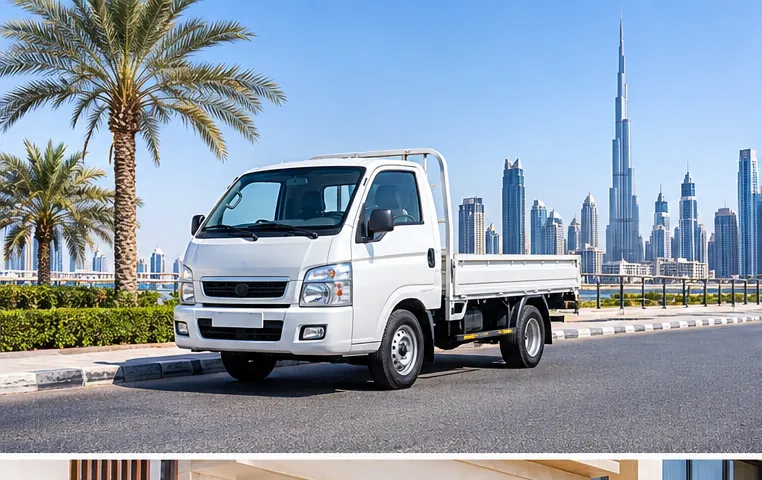
Choosing a pickup is about the real load, not just the number on an advertisement. The following steps are designed for practical planning rather than a guarantee that any one truck or operator can complete every job.
Begin With an Item List
Write down every item and its approximate weight. For bulky pieces, include length, width and height. A truck with a larger permitted weight is not automatically suitable for an awkwardly shaped piece.
Understand Capacity Labels
The words 1 ton and 3 ton refer to common rental categories. Actual carrying capacity depends on vehicle registration, configuration, legal limits and secure loading. Do not infer a specific payload solely from an online advertisement.
Check the Collection and Destination
A larger vehicle may be inconvenient at a narrow entrance or a restricted service bay. A smaller one may require more journeys, raising cost and handling risk. Consider access at both ends.
Compare Quotes on Equal Terms
Ask each provider whether the quote includes a driver, loaders, covering, tolls, waiting and return travel. Compare only when both offers include the same service scope.
Decision Checklist
Choose the vehicle after confirming cargo suitability, a lawful and secure load, access, availability and the final quotation. For the two categories, read the 1-ton guide and 3-ton guide.
Plan your next step
For a route-specific enquiry, send your item list and both addresses via the quotation request. Confirm vehicle suitability and written terms before booking.